
SERVING ALL OF FLORIDA INCLUDING:
TAMPA | ORLANDO | MIAMI | SARASOTA
ST. PETERSBURG | JACKSONVILLE
Author: Matthew K. Fenton
-

Pregnancy Discrimination in Florida: What the Supreme Court’s Decision Means for You (2025)
If you’re pregnant or just had a baby and work suddenly feels hostile or unsafe, you are not alone. Many employees in Tampa, St. Petersburg, and across Florida face pregnancy discrimination when they’re denied simple accommodations like lifting limits, breaks, or time to pump. This guide explains your rights and what to do next so
-
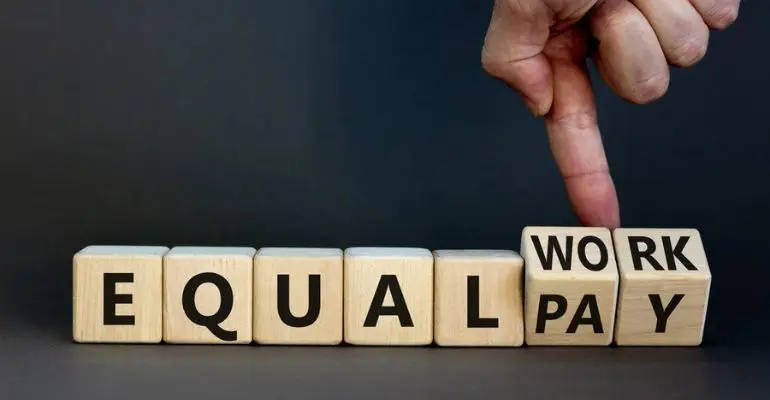
What Are Some Examples of Equal Pay Violations?
Equal pay violations don’t always look like an obvious “men make more than women” policy. In real workplaces, unequal pay is often hidden behind job titles, vague “performance” claims, or pay decisions made quietly at hiring and promotion time. If you’re working in Florida and you suspect you’re being paid less than someone doing the
-
Can Bonuses, Commissions, or Stock Options Be Unequal Based on Gender?
Yes, bonuses, commissions, stock options, equity grants, and other incentive pay are still “compensation,” and employers can’t award them in a way that discriminates based on gender. The EEOC is explicit that compensation discrimination laws cover bonuses and stock options, not just base pay. What makes these cases tricky is that companies often treat incentive
-
Can I Sue if I’m Paid Less Than My Coworker of the Opposite Sex?
Finding out you’re being paid less than a coworker of the opposite sex can feel like a punch to the gut; especially when you’re doing the same work, carrying the same workload, and meeting the same expectations. The big question most people ask next is simple: is this unfair, or is it illegal? In many
-
How Do You Prove Unequal Pay?
Proving unequal pay is less about having a “perfect” smoking gun and more about building a clear, credible story with comparisons and consistency. In most cases, you’re trying to show three things: (1) you were paid less, (2) for substantially similar work, and (3) your employer’s explanation doesn’t hold up when you look at how
-
Can My Employer Pay Employees of Different Races Differently for the Same Job?
Can My Employer Pay Employees of Different Races Differently for the Same Job? If you’re doing the same work (or substantially similar work) as a coworker and you’re being paid less, it’s natural to ask: Is this unfair, or is it illegal? Quick answer: Your employer can pay employees differently for legitimate, non-discriminatory reasons (like
-
What if a woman is paid less than a man?
If you’ve discovered (or strongly suspect) that you’re being paid less than a male coworker for the same job or substantially similar work, it’s not just frustrating; it may also be illegal. In Florida (including Tampa, St. Petersburg, Sarasota, Orlando, Miami, and Jacksonville), unequal pay can fall under a few overlapping legal protections, including the
-
Do Equal Pay Laws Apply to Race as Well as Gender?
When most people hear “equal pay,” they immediately think about gender pay gaps. Women are being paid less than men for the same work. But equal pay protections go far beyond gender. In fact, race-based pay disparities are just as illegal, and employees of color often experience wage discrimination that isn’t talked about nearly enough.
-
Can I Sue My Job for Racial Slurs?
Racial slurs in the workplace are never acceptable. Not only are they offensive and harmful, but under federal and Florida law, repeated slurs, racist comments, or “jokes” may qualify as unlawful harassment. If these behaviors create a hostile work environment or influence decisions about your job, you may have the right to take legal action
-
What If My Boss Makes Racist Jokes or Comments?
Racist jokes or comments from a supervisor aren’t just uncomfortable; those comments can create a hostile work environment and may violate federal and Florida anti-discrimination laws. When the person making these comments is your boss, the power imbalance makes the situation even more serious. Many employees worry about speaking up, fear retaliation, or wonder whether








Recent Posts
- Pregnancy Discrimination in Florida: What the Supreme Court’s Decision Means for You (2025)
- What Are Some Examples of Equal Pay Violations?
- Can Bonuses, Commissions, or Stock Options Be Unequal Based on Gender?
- Can I Sue if I’m Paid Less Than My Coworker of the Opposite Sex?
- How Do You Prove Unequal Pay?
Contact Us
No Fee Unless We Win. We get paid by getting you paid.
Contact us for a Free Case Evaluation
Wenzel Fenton Cabassa, P.A. operates on a contingency basis, ensuring that we do not receive payment unless we secure compensation for your case. If your workplace rights were violated, contact us today for free case evaluation.