
Can You Be Fired for Being Gay in Florida?
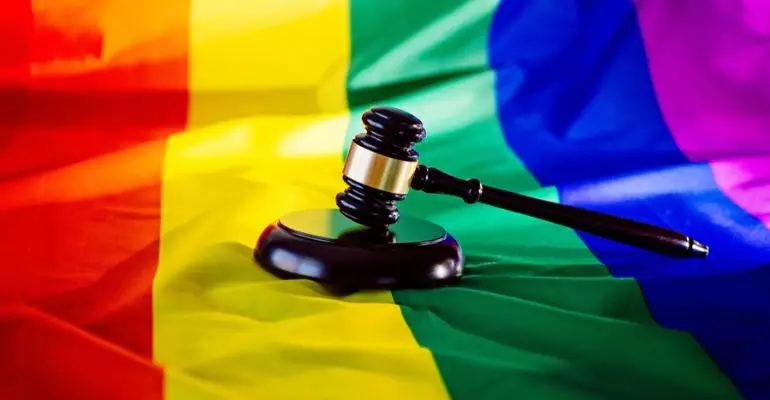
Florida, widely celebrated for its sunny beaches, warm weather, and vibrant culture, is also home to a diverse and dynamic LGBTQ+ community. Over the years, there has been notable progress in fostering equality and acceptance for individuals who identify as LGBTQ+. From Pride parades to advocacy organizations, the LGBTQ+ community in Florida plays a vital role in shaping the state’s identity.
However, despite these advancements, significant challenges persist. One such challenge is the fear many LGBTQ+ individuals face regarding job security and workplace discrimination. This leads to an essential and often-asked question: “Can you be fired for being gay in Florida?” or “What legal protections exist for LGBTQ+ employees and allies in Florida?” While there have been strides in legal protections through landmark rulings like the Supreme Court’s decision in Bostock v. Clayton County, which affirmed that bigotry based on sexual orientation or gender identity is prohibited under federal law, gaps remain within state-specific protections.
Florida lacks explicit statewide laws protecting LGBTQ+ individuals from workplace discrimination, leaving many to rely on federal protections. This legal gray area creates uncertainty for workers and reinforces the importance of comprehending the nuances of the legal landscape surrounding workplace discrimination. Navigating these complexities is a reality for LGBTQ+ individuals in Florida, highlighting the need for ongoing advocacy and stronger protections at both the state and federal levels. Let’s explore the legal framework in more detail and examine what it means for LGBTQ+ employees in Florida.
Is Florida a Fire At-Will State?
In Florida, as in most states across the U.S., employment is generally considered “at-will.” This means that an employer can release an employee at any time, for any reason, or even for no reason at all, as long as the reason is not illegal. Similarly, employees can leave their jobs without providing a reason or notice. This mutual flexibility underpins the at-will employment doctrine, making it a common principle in many workplaces.
However, there are important exceptions to this rule in Florida. For instance, if a contractual agreement exists, such as an employment contract specifying termination conditions, the at-will rule may not apply. Federal and state laws also provide critical protections for employees, shielding them from discrimination based on specific characteristics. These include race, national origin, gender, religion, age, and disability under Title VII of the Civil Rights Act, the Americans with Disabilities Act (ADA), and the Age Discrimination in Employment Act (ADEA).
It’s also important to note that Title VII does not apply universally to all employers. Religious institutions, private clubs, and businesses with fewer than 15 employees are often exempt from these federal requirements, leaving some employees without recourse in discrimination cases. This patchwork of protections can leave workers in Florida vulnerable, particularly in areas where local governments have not enacted additional anti-discrimination measures.
Federal Protections Against Workplace Discrimination

Title VII of the Civil Rights Act of 1964 prohibits employment discrimination based on race, color, religion, sex, and national origin. This landmark law was a crucial step in promoting equality in the workplace. This ambiguity left LGBTQ+ individuals vulnerable to workplace discrimination without clear federal protections.
However, in 2020, the Supreme Court issued a historic ruling in the Bostock v. Clayton County case. The Court determined that the prohibition against sex discrimination under Title VII also extends to discrimination based on sexual orientation and gender identity.
This ruling has far-reaching implications, particularly for employees in states like Florida. With this decision, LGBTQ+ individuals in Florida and across the country now have stronger legal recourse against workplace discrimination, ensuring greater equity and fairness in employment practices. Employers must now navigate these expanded protections to foster inclusive workplaces compliant with federal law. This judgment marks a significant step forward in fighting for LGBTQ+ rights in the workplace.
Florida’s Legal Protections for LGBTQ+ Workers
While Florida state law does not explicitly prohibit workplace bias based on sexual orientation, additional protections are available for LGBTQ+ individuals at the local level. Several cities and counties in Florida have taken steps to fill this gap by passing ordinances that forbid discrimination against employees based on sexual orientation and gender identity. These local laws aim to provide much-needed protection for LGBTQ+ individuals in the workplace.
For instance, cities like Orlando, Miami, Tampa, and St. Petersburg have implemented comprehensive anti-discrimination ordinances designed to protect LGBTQ+ employees from unfair treatment. These ordinances typically apply to public and private employers and safeguard individuals working in various industries. Protections may cover hiring, firing, promotions, and other aspects of employment, offering legal recourse for individuals who think they have faced discrimination due to their sexual orientation or gender identity.
Navigating the patchwork of federal, state, and local laws can be complex. At Wenzel Fenton Cabassa P.A., we understand the nuances of local Florida ordinances and how they interact with federal protections, equipping us to handle your case with precision and care.
Can Businesses Discriminate Based on Sexual Orientation?
Despite the recent Supreme Court ruling extending federal protections to LGBTQ+ employees, there remains significant confusion about whether businesses in Florida can legally discriminate based on sexual orientation. However, the lack of explicit state-level protections in Florida creates potential gaps for individuals working in certain contexts, such as small businesses or companies not covered by local nondiscrimination ordinances. While federal law offers broad safeguards, not every employee may feel fully protected in their workplace.
As an employee, it’s important to understand your rights in the workplace, including your right to a discrimination-free environment. Federal and state laws protect you from unfair treatment, harassment, or prejudice based on factors like sexual orientation or gender identity. Your employer should have clear policies in place that prohibit discrimination and foster inclusivity.
You also have the right to expect a workplace where diversity and inclusion are actively promoted through training and respectful practices. When companies prioritize these values, it not only helps prevent legal violations but also creates a healthier, more supportive environment for everyone. If you believe your rights have been violated, you have options, and it’s worth seeking guidance to protect yourself and your career.
What to Do if You Are Fired for Being Gay in Florida
If you’ve been fired for being LGBTQ+, know that you have legal rights and actions you can take to protect yourself and hold your employer accountable. Discrimination based on sexual orientation is illegal under Florida laws, so taking action is encouraged.
Start by gathering evidence and documenting any instances of discrimination or harassment. This includes emails, texts, meeting notes, or coworker witness statements. Keeping a detailed record of incidents, dates, and individuals involved may strengthen your case.
A claim must be filed with the Equal Employment Opportunity Commission within 300 days of the discriminatory action. While you may complete a form online or in person and provide supporting evidence, the lawyer at Wenzel Fenton Cabassa, P.A., filed charges for employees who are victims of discrimination. While the EEOC may investigate, mediate, or file a discrimination lawsuit on your behalf, most commonly it will issue a “right to sue” letter, which allows you to pursue legal action independently.
Consulting an employment attorney is also a key step. At Wenzel Fenton Cabassa P.A., we’re here to help you navigate the legal process with confidence. Our experienced employment attorneys will explain your rights, advocate on your behalf, and work toward a fair resolution, whether through negotiation or in court. Reach out today to schedule a free case evaluation and get advice tailored to your situation.
Legal Services for LGBTQ+ Employees Facing Discrimination

LGBTQ+ employees facing discrimination in the workplace may feel overwhelmed and unsure of their legal rights. This is where legal services can be crucial in providing advice and representation for individuals seeking justice.
If you are facing severe or pervasive discrimination or harassment based on your sexual orientation at work, it is important to seek legal help as soon as possible. An experienced discrimination lawyer can assess your case and advise you on the best action, whether filing a complaint with the EEOC or seeking a case against your employer. If you are confronting discrimination or harassment in the workplace because of your sexual orientation, do not hesitate to contact Wenzel Fenton Cabassa P.A.. Our team of experienced labor lawyers is committed to safeguarding the rights of LGBTQ+ employees and will provide compassionate and effective legal representation for your case. Let us help you fight against employment discrimination.
Recent Posts
- Can Bonuses, Commissions, or Stock Options Be Unequal Based on Gender?
- Can I Sue if I’m Paid Less Than My Coworker of the Opposite Sex?
- How Do You Prove Unequal Pay?
- Can My Employer Pay Employees of Different Races Differently for the Same Job?
- What if a woman is paid less than a man?