
Can I Recover Damages if My Employer Violated the FCRA?
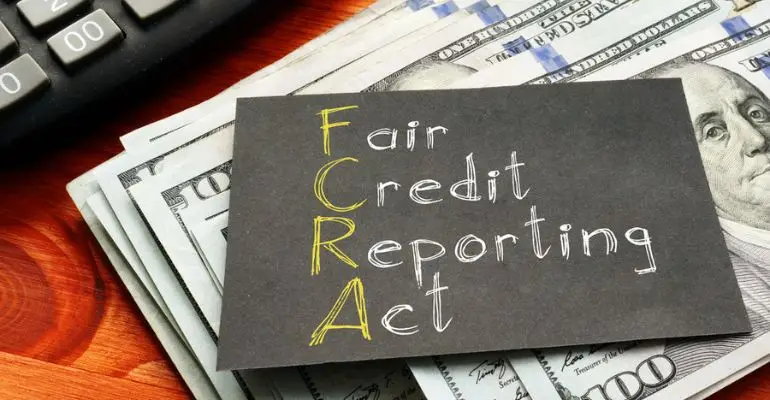
If your employer violated the Fair Credit Reporting Act (FCRA), you may be able to recover damages. In the employment context, the FCRA applies when an employer uses a third-party consumer report or background check to make decisions about hiring, firing, promotion, reassignment, or retention. As the Federal Trade Commission explains in its employer guidance, employers must follow specific rules before obtaining a report and before taking adverse action based on it.
For employees and job applicants, an FCRA violation can create real harm. A flawed or improperly handled background check can cost someone a job offer, delay employment, interfere with a promotion, or damage future opportunities. If you believe a background-check issue affected your job or application, it may help to start by understanding your rights and when to speak with a Florida employment background check attorney.
What Does the FCRA Cover in Employment Cases?
The Fair Credit Reporting Act is a federal law that regulates how consumer reports are obtained, used, and shared. In employment cases, it commonly applies when an employer orders a background check from a third-party reporting agency. These reports can include criminal history, credit history, driving records, prior employment verification, and other screening information used in employment decisions, as reflected in the FTC’s Using Consumer Reports: What Employers Need to Know guidance.
The law is not limited to inaccurate reports. It also regulates how employers disclose that a report will be obtained, how they get written permission, and what notices must be given before a negative decision is made. That is why many FCRA employment cases are not just about false information. They are also about whether the employer followed the required legal process.
Can You Recover Damages for an FCRA Violation?
The FCRA allows consumers to recover damages in certain situations. Under the federal statute, willful noncompliance can support actual damages or statutory damages of $100 to $1,000, plus punitive damages and attorney’s fees and costs, while negligent noncompliance can support actual damages plus attorney’s fees and costs. You can see those remedies directly in 15 U.S.C. § 1681n and 15 U.S.C. § 1681o.
That means a person may still have a meaningful claim even if the violation does not look the same in every case. Some people lose a job or promotion because of a bad report. Others are harmed because the employer skipped required steps and denied them a fair chance to review and respond before taking adverse action.
What Types of Damages Might Be Available?
Actual Damages
Actual damages may be available when an FCRA violation caused real harm. In an employment case, that could include lost wages, a lost job opportunity, delayed hiring, or costs tied to correcting the issue. If the violation was negligent, actual damages are the primary monetary recovery described in the statute.
Punitive Damages
Punitive damages may also be available for willful violations. These damages are meant to punish more serious misconduct and discourage future noncompliance. Whether punitive damages may apply depends on the facts of the case and the nature of the violation.
Attorney’s Fees and Costs
The statute also allows successful plaintiffs to recover attorney’s fees and costs. That can make a significant difference for people trying to challenge unlawful employment screening practices.
What Is an Employer Supposed to Do Before Obtaining a Background Check?
Before obtaining a consumer report for employment purposes, an employer must provide a clear written disclosure that the report may be used for employment purposes and obtain the employee’s written authorization. The FTC’s employer guidance lays out those steps and explains that employers must comply both before ordering the report and before taking action based on it. See the FTC’s employment background check guidance.
If the employer may take adverse action based on the report, it generally must first provide a pre-adverse action notice, a copy of the report, and a copy of the document called A Summary of Your Rights Under the Fair Credit Reporting Act. After that, if the employer makes a final negative decision, it must provide an adverse-action notice with the required information.
For readers who want more context on that process, Wenzel Fenton Cabassa P.A. has related posts on what is a pre-adverse action notice and what is an adverse action as defined by FCRA.
What Are Common FCRA Violations in Employment Cases?

Common employment-related FCRA issues may include:
- Obtaining a background report without proper written disclosure
- Failing to get valid written authorization
- Taking adverse action without first giving the required pre-adverse action materials
- Failing to provide a copy of the report
- Failing to provide the required summary of rights
- Relying on inaccurate background information
- Using a screening process that does not comply with FCRA procedures
These issues matter because the FCRA is meant to protect both accuracy and fairness in the employment-screening process. The CFPB’s summary of rights also emphasizes that the law exists to promote the accuracy, fairness, and privacy of information in consumer reporting files.
If the issue involved incorrect information in a failed screen, related internal resources include the process for disputing a failed background check and know your FCRA rights.
Do You Need to Prove You Lost the Job to Have a Claim?
Not always in the way people assume. Some claims focus on direct losses like a rescinded offer, denied job, or delayed start date. Others may involve statutory damages for willful violations. The type of damages available depends on what requirement was violated and whether the conduct was negligent or willful under the statute.
That said, helpful records may include the disclosure form, the authorization form, the background report, the pre-adverse action notice, the final adverse-action notice, and communications showing how the employer handled the decision.
What Does “Adverse Action” Mean in an Employment Background Check Case?
In this setting, adverse action generally means a negative employment decision based in whole or in part on a consumer report. That can include refusing to hire someone, rescinding an offer, denying a promotion, or firing an employee after reviewing a background check. The FTC specifically addresses this in its consumer report employer guidance.
That is why the timing matters. The law is designed to give the person a chance to review the report and address possible errors before the employer makes the final decision.
What If the Background Report Was Wrong?
That can be a major issue. The FCRA is designed to promote accuracy and fairness, and the rights summary published by the CFPB makes clear that consumers have protections when information in their file is inaccurate or used against them. Reviewing the CFPB’s summary of FCRA rights can help readers understand part of that framework.
If inaccurate information caused a lost opportunity, the damages question may become more significant. The stronger the connection between the inaccurate report, the employer’s action, and the person’s losses, the stronger the claim may be. Readers dealing with that issue may also want to review the process for disputing a failed background check.
What Should You Do If You Think an Employer Violated the FCRA?
If you think an employer violated the Fair Credit Reporting Act, keep the paperwork. Save the disclosure form, authorization form, background report, pre-adverse action notice, adverse-action notice, and any communications tied to the decision. If the report was inaccurate, keep records showing why.
It may also help to review Wenzel Fenton Cabassa P.A.’s case process so you have a clearer idea of what pursuing a claim may involve. Early review of the documents can make a major difference in evaluating whether the employer, the screening company, or both may have violated the law.
Speak With Wenzel Fenton Cabassa P.A. About a Potential FCRA Claim

If you lost a job opportunity or suffered harm because an employer violated the Fair Credit Reporting Act, you may have the right to pursue damages. Whether the issue involved an improper disclosure, missing authorization, flawed adverse-action process, or inaccurate background report, the details matter.
Wenzel Fenton Cabassa P.A. helps employees and job applicants whose rights may have been affected by unlawful background-check practices. Our attorneys have extensive experience evaluating workplace claims across Florida, including those involving the Fair Credit Reporting Act and related protections. We understand how these issues can impact your livelihood, and we know how to assess whether an employer’s actions may violate the law—even when the situation feels unclear.
If you believe a background check may have been used against you unfairly, contact Wenzel Fenton Cabassa P.A. for a free case evaluation. We represent clients on a contingency fee basis, meaning you do not pay any attorney’s fees unless we recover compensation for you.
FAQs
You may be able to sue if your employer violated the Fair Credit Reporting Act during the background check process. This can include failing to provide proper disclosure, not getting written authorization, or taking adverse action without following the required notice steps.
Depending on the facts, you may be able to recover actual damages, attorney’s fees, and court costs. In some cases involving willful violations, statutory damages and punitive damages may also be available.
An adverse action is a negative employment decision based in whole or in part on a background check or consumer report. This can include denying a job, rescinding an offer, firing an employee, or denying a promotion.
Please Note: At the time this article was written, the information contained within it was current based on the prevailing law at the time. Laws and precedents are subject to change, so this information may not be up to date. Always speak with a law firm regarding any legal situation to get the most current information available.
Related Posts
What Does “Meets FCRA Requirements” Mean?
The Fair Credit Reporting Act (FCRA) is a powerful law designed to protect your rights as a consumer. Although it’s …

Can You Be Denied Employment for Dismissed Charges? Uncovering the Truth
When individuals are looking for a new job and have previously been arrested, but the charges were dismissed, they often…
Recent Posts
- Pregnant Workers Fairness Act (PWFA) in Florida: What Accommodations Can You Request at Work?
- Do I Need Proof to Win a Retaliation Claim?
- Can My Employer Cut My Hours Because I Filed a Complaint?
- What if I Was Retaliated Against for Reporting Wage Theft or Tip Violations?
- Can I Be Fired for Reporting Sexual Harassment or Discrimination?
Contact Us
FREE HELP GUIDES
Dealing with unpaid wages, discrimination or wrongful termination? Get the information you need to protect your workplace rights. We offer employment law resources to help you fight for workplace justice.